Ask five people for the best Wordle start word and you will get five answers, all of them defensible. CRANE, SLATE, TRACE, SALET, ADIEU. They are not competing guesses so much as competing definitions of "best", and once you see which definition each one is answering, picking your own becomes easy.
What a start word is actually for
You will almost never solve on the first guess. With thousands of possible answers the odds are somewhere around one in two thousand, so a first guess spent hoping is a first guess wasted. Its job is to cut the field, and the measure of a good one is how few words are still standing after the board answers.
That is the number our solver ranks by, and it is worth internalising: a word that cannot possibly be the answer is sometimes the better play, because information beats optimism.
Why the popular answers disagree
CRANE and SLATE cover five of the most common letters in English and spread them across positions that vary a lot between words. They are strong general openers and they are easy to remember, which matters more than people admit.
SALET turns up in analyses that assume you are playing to minimise the average number of guesses across every possible answer, with perfect play afterwards. It is an excellent word and a slightly academic one — it optimises for a version of the game where you never make a human mistake on guess three.
ADIEU is the vowel-first answer. Four vowels in one turn tells you a great deal about the shape of the word, and almost nothing about its consonants. It shines when your usual opener comes back blank and leaves you guessing.
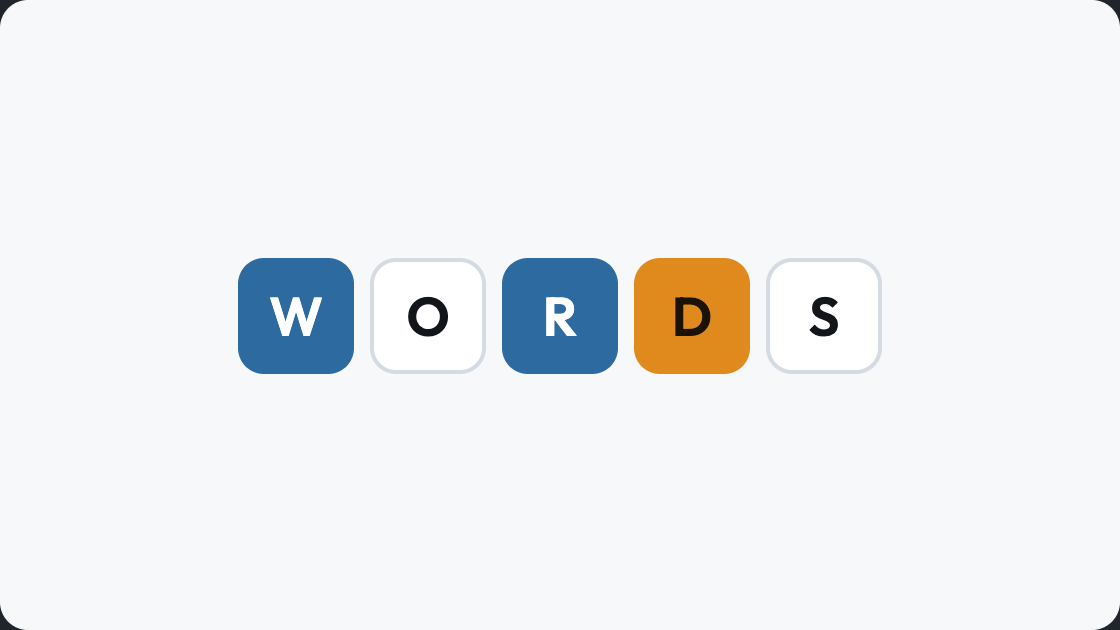
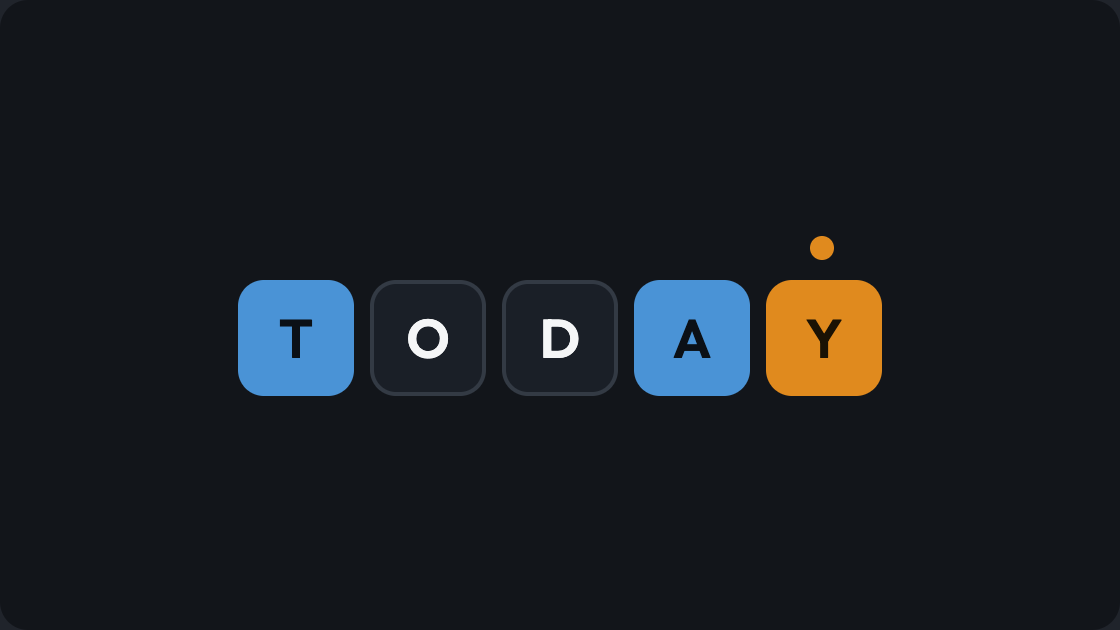
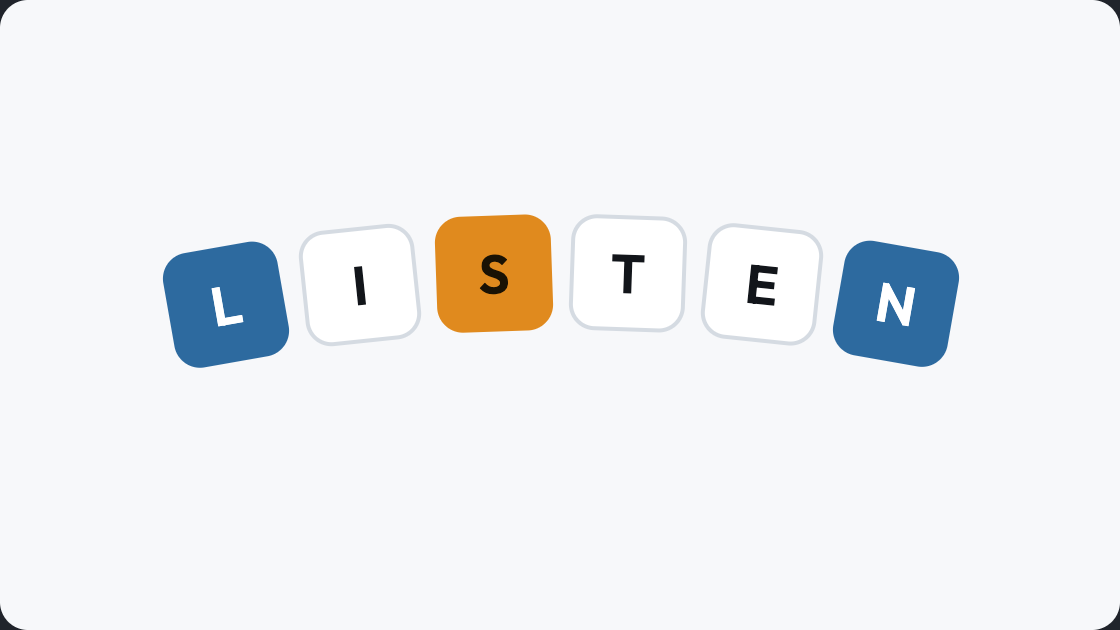
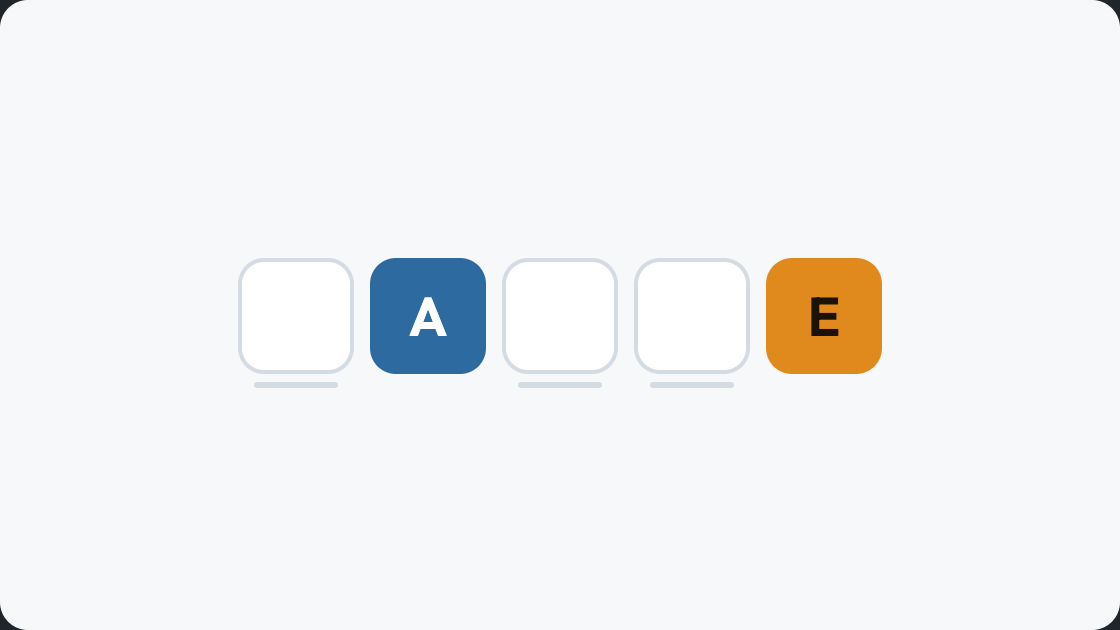
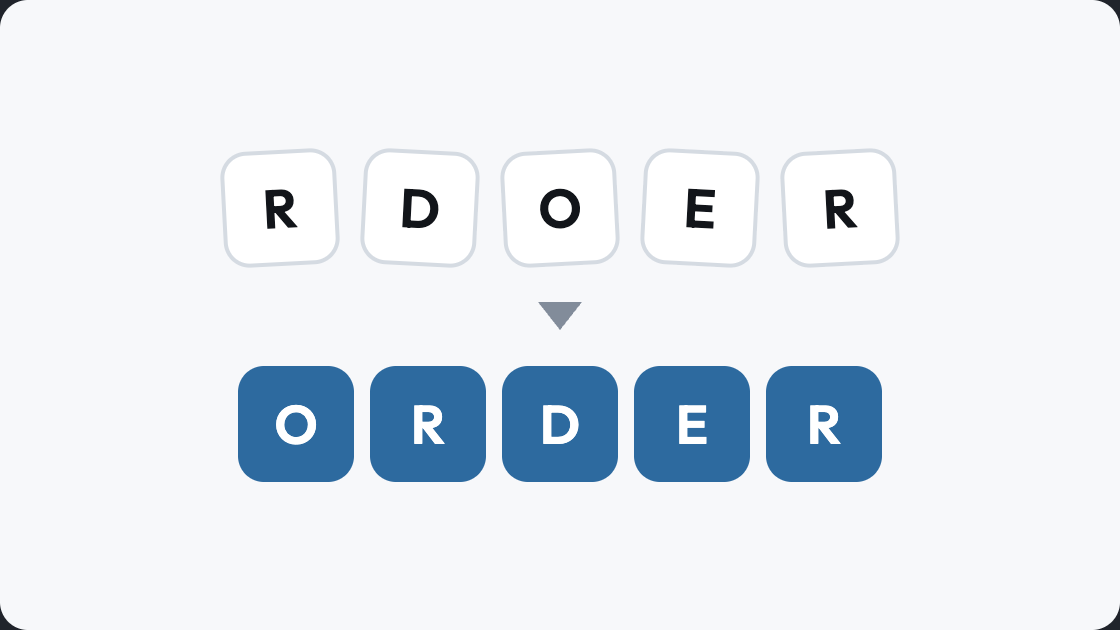
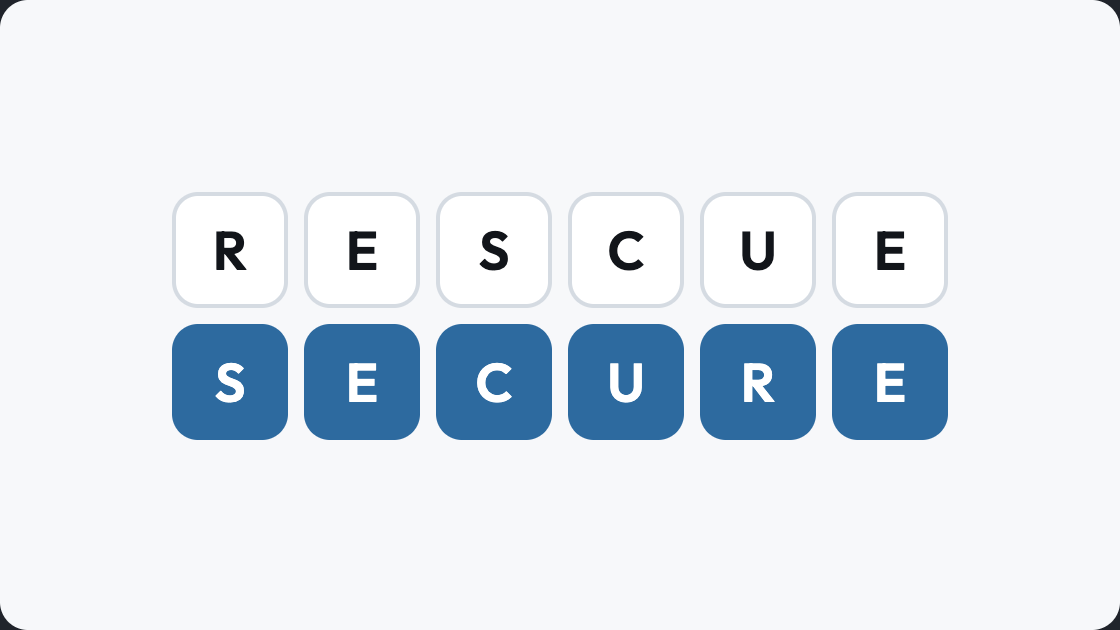
TRACE, CRATE and REACT are the same five letters in different orders, and the order genuinely matters: E is far more common at the end of a word than at the start, so where you put your letters changes how often they come back blue rather than amber.
The honest answer
Any word with five distinct, common letters will do almost as well as the theoretical best. The gap between CRANE and SALET is a fraction of a guess averaged over thousands of games — it is real, and it is smaller than the gap between playing your second guess well and playing it badly.
What actually costs people games:
- Guessing a word you already know is wrong. A grey letter is gone. Reusing it buys nothing and you only have six turns.
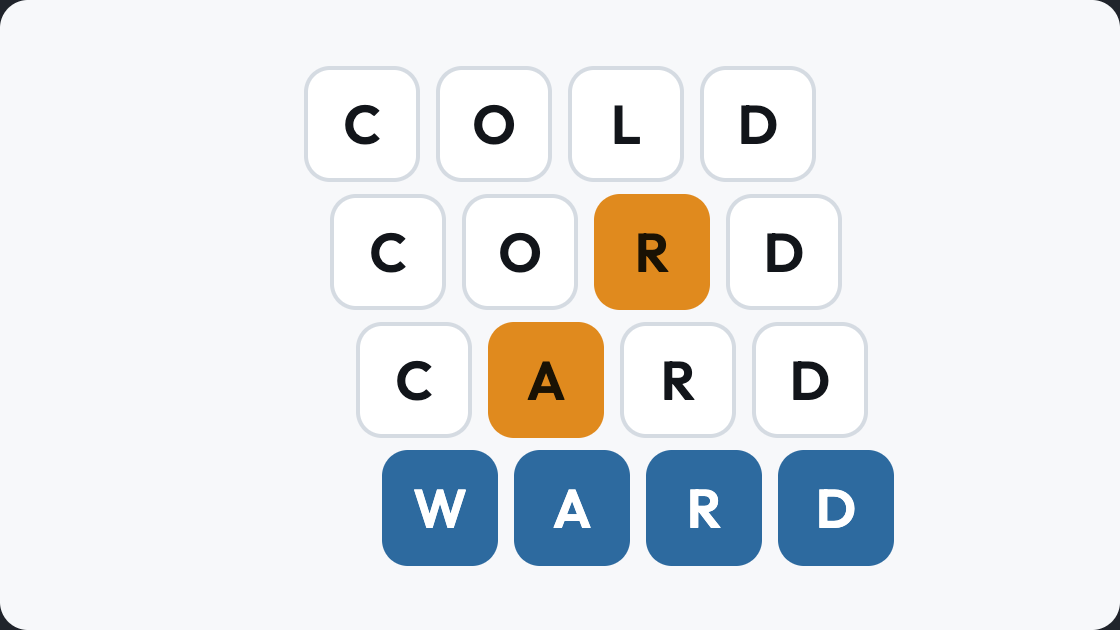
- Putting an amber letter back in the same slot. Amber means the letter is in the word and not there. Same slot, same amber, turn gone.
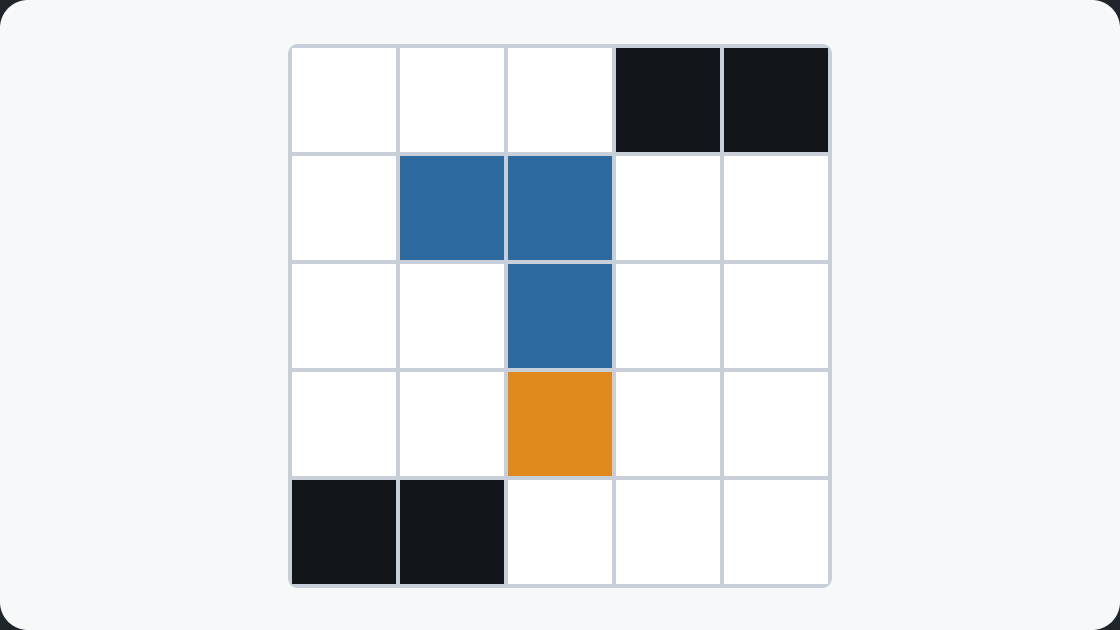
- Forgetting the repeated-letter rule. Against SPEND, the second E of SPEED comes back grey. That is not a bug — grey means "no more of this letter", not "not in the word". The rules page works through it.
Try it yourself
Pick an opener and stay with it for a fortnight. A consistent start word gets easier to play from, because you start recognising the patterns it produces. If you would rather test a few first, unlimited will give you as many boards as you want.