Word ladder
Word ladder, one letter at a time
Play word ladder free: get from one word to another by changing one letter at a time, every rung a real word. Two hundred puzzles, each with a par to beat.
How to Play
-
Change Exactly One Letter
COLD becomes CORD becomes CARD. One letter per rung, never two, and never a letter added or removed — the word stays the same length all the way up.
-
Every rung has to be a real word
That is the whole constraint. Any word in the dictionary counts, not just everyday ones, so a route you can see is a route you can use.
-
Par is a route through ordinary words
The number shown is the shortest ladder built from everyday vocabulary, so it is genuinely reachable. Beating it is unusual; matching it is a good game.
-
Work from Both Ends
The trick nearly everybody arrives at eventually: start climbing from the target as well as the start, and meet in the middle. It halves the number of rungs you have to imagine at once.
More free word games and tools
 Hangman
The hangman game online, at four to eight letters. Free hangman with a word list long enough that it will not repeat on you, and the one game everybody already knows how to play.
 Boggle
Play boggle free on a four by four tray: trace every word you can find through touching letters before the clock runs out. A word grid game that scores longer finds higher.
 Text Twist
Text twist online and free: six letters, and every word they can make, with no clock to race. A word scramble game where finding the six-letter word opens the next round.
 Cryptogram
 puzzles in a letter substitution cipher, in the cryptoquote style. Crack a single letter and it fills in everywhere at once, until the whole quote reads.
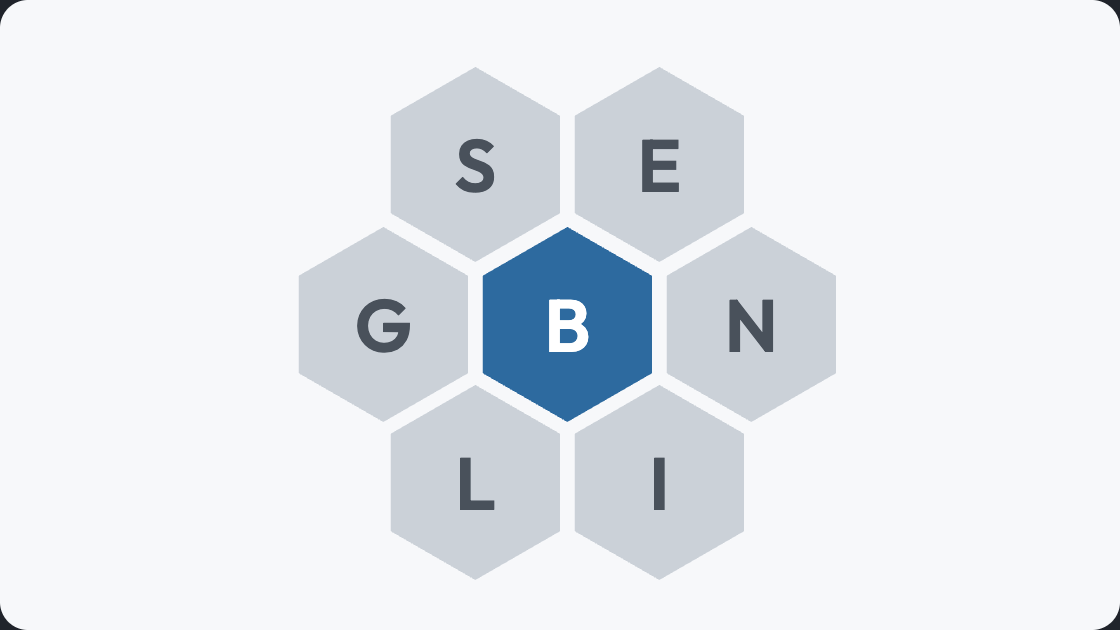 Spelling Bee
The spelling bee game with your spelling, not ours: seven letters, one in the middle, and every word you can build from them. A daily spelling bee puzzle plus every hive we have set before it.
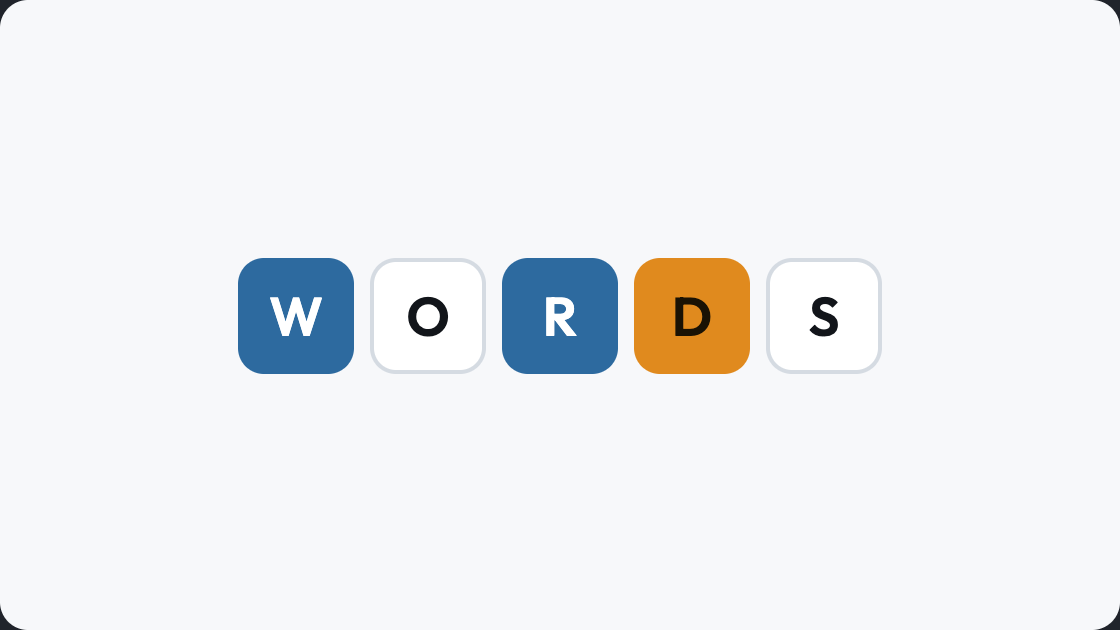 Wordle Unlimited
Play wordle unlimited free, as many rounds as you like, at four to eleven letters. The practice mode the daily game never gave you, with no one-a-day limit and nothing to sign up to.
Word ladder questions, answered
Who invented word ladders?
Lewis Carroll, in 1877, who called them doublets. The rules have not changed since: one letter at a time, every step a real word.
Why is par sometimes beatable?
Because par is measured through everyday words, and the words you are allowed to type include obscure ones. A shorter route often exists through words most people would never think of, and finding one is a fair win.
Can I reuse a word?
No. A repeated rung means you have gone in a circle, and allowing it would let a ladder wander for ever while the move count climbed.
Why was my word refused?
Three possible reasons: it changed more than one letter, it is a different length, or it is not in the dictionary. The message says which.
Is there always a solution?
Yes. Every ladder here was built by finding a route first, so the target is always reachable — you are never handed a puzzle nobody could finish.